














Logo

Jokaroom Login Australia In 2026

A practical 2026 look at account access, payments, support, and control tools for adult players in Australia now.

Slot Fortune Gems 2

Table of Contents

  • The Dog House Megaways Slot
  • Lucky Joker 10 Extra Gifts Slot
  • Sword of Ares Slot
  • Floating Dragon Hold & Spin Slot
  • Leprechaun Riches Slot
  • Fruit Coctail Slot
  • The Dog House Megaways Slot
  • Sword of Ares Slot
  • Fruit Million Slot
  • The Dog House Megaways Slot
  • Fruit Box Slot
  • Big Fisherman Slot
  • Seven Books Unlimited Slot
  • Jokaroom Fortune Slot
  • Sword of Ares Slot
  • Floating Dragon Hold & Spin Slot
  • 9 Mad Hats Slot
  • Floating Dragon Hold & Spin Slot
  • Big Bass Splash Slot
login 1

Jokaroom Login For A Smooth Start

Most returning players want one thing first - a direct route from the opening page to the account area without pointless friction. In practice, that means checking the sign-in form, typing the right contact detail, and noticing whether the device asks for a security step before the lobby opens. Imagine you sit down after work with half an hour free and want a quick session, not a puzzle. Usually, the fastest move is to slow down for ten seconds, confirm the email or phone number tied to the account, and make sure the browser is not filling old credentials from another profile.

Small mistakes create a surprising number of access problems. A saved password from months ago, a browser tab that never refreshed, or a phone keyboard that changes what you typed can turn a normal entry into repeated failure. Players often assume the platform is broken, but the issue is usually simpler. Refresh once, read the on-screen prompt, and check whether a confirmation code or verification message has already been sent elsewhere on the device.
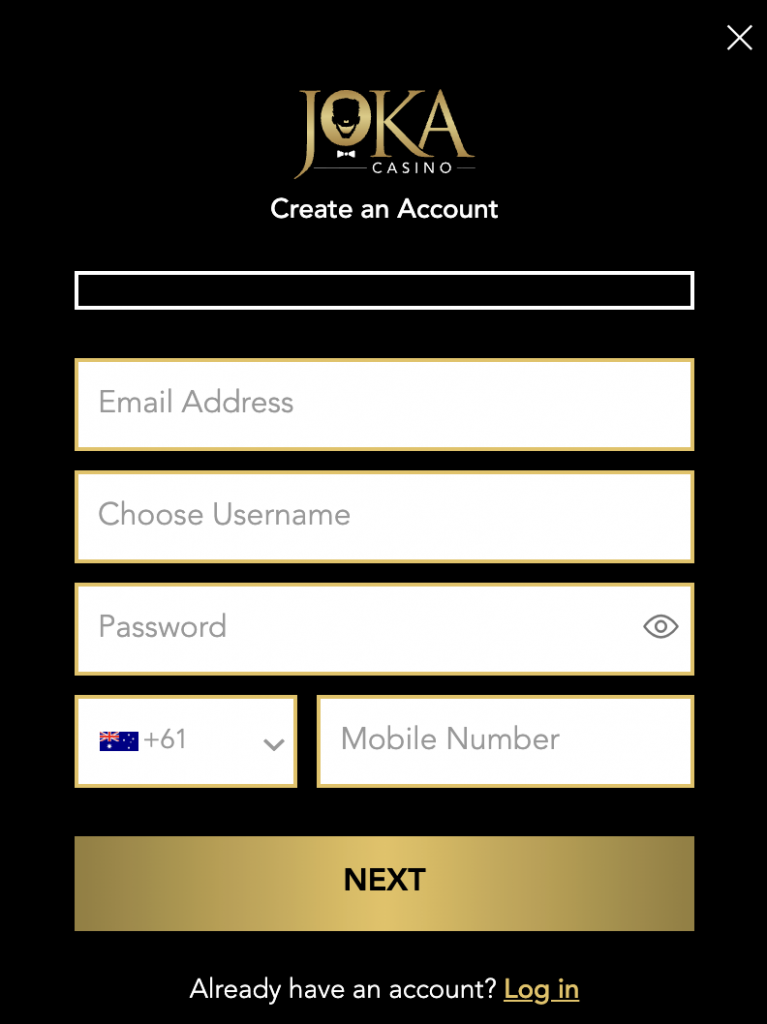

Registration Habits That Prevent Future Trouble

The easiest account to manage later is the one set up carefully at the start. Registration looks simple, yet it decides how smoothly recovery, payments, and security checks will work when you need them. Use real details, keep names consistent, and choose a password you can actually reproduce. Imagine signing up late at night with a spare inbox because it feels quicker. A few days later, a recovery code lands in that inbox, and a basic account step becomes harder than it needed to be.

login 2

A practical setup also means thinking one move ahead. If you often switch between a home computer and your phone, keep access to your email active on both. If you rely on a password manager, make sure it stores the right profile instead of several nearly identical ones. Players avoid later confusion not by memorising everything, but by building a clean routine from the first minute.

Jokaroom Sign In On New Devices

Using a new device often triggers extra confirmation, and that is where many players start guessing instead of reading. Imagine you open the account on a new phone while commuting, receive a code, and ignore it because you think the page will load anyway. Usually, it will not. The practical move is to complete the prompt first, then continue with the session once the account recognises the device.

Login Jokaroom Without Repeat Errors

Repeated attempts rarely solve a bad entry. They usually make it worse, because the platform may read them as suspicious or simply keep rejecting the same wrong data. Picture a player who types quickly, fails twice, then tries five more times without checking caps lock, saved details, or whether the contact field is correct. What actually helps is stopping for a moment, clearing the form, and entering the information once with care.

Another common issue is mixing registration details. Some players use one email to create the account, another to manage payments, and a third for everyday communication. That can work in life, but it often complicates account recovery. Keeping the same core details across routine actions makes later checks easier and reduces confusion when a code or document request appears.

login 3

Money Management Before The Session Starts

Before the first spin or hand, the real decision is usually financial rather than technical. How much are you comfortable using, which method matches your routine, and what kind of session are you planning? Players often treat the cashier as something they will figure out in the moment, but that is where impulse can replace planning. Imagine you intended to spend one fixed amount for a short evening session and then started changing that number while already browsing games. The better habit is to choose the amount first and open the payment screen second.

One method used consistently is often easier to manage than several methods used randomly. The reason is simple: transaction history stays clearer, account details stay stable, and later payout steps tend to feel less messy. This matters for adult players in Australia who want entertainment spending to remain visible rather than vague. A small routine - choose the amount, confirm the route, recheck the balance - removes uncertainty.

It also helps to think about limits before excitement enters the picture. Deposit limits, session reminders, and activity history are not dramatic tools, but they are practical ones. Imagine you plan a quick session on Friday night and already know the exact budget. Setting that boundary before you start means the session follows your plan instead of testing it.

Account Task

What Players Usually Do

Why It Helps

Add Funds

Pick one familiar payment route and confirm the amount carefully

Reduces avoidable input mistakes

Review Activity

Check recent transactions after each session

Makes spending easier to track

Set A Limit

Decide a spending cap before opening games

Keeps the session planned

Request A Payout

Recheck account and payment details first

Lowers the chance of routine delays

Pause Play

Use a timeout tool when emotions take over

Turns stopping into a clear action

Choosing Games Without Wasting Time

Once the account is open and the balance is ready, the next question is how to use your time. The common mistake is not choosing the wrong game but wandering through the lobby without a plan until the session loses direction. Imagine you have twenty minutes before leaving the house. In that moment, most players do better by picking a familiar category quickly instead of browsing every promotional tile they see.

Longer sessions reward a different approach. If you know you have a full evening, take a minute to decide whether you want faster rounds, slower table-style play, or something in between. That sounds obvious, yet many players skip the decision and keep switching every few minutes because nothing feels right. Usually, the problem is not the library - it is that the session had no shape from the start.

Mobile Use And Home Desktop Comfort

Phone access is convenient, but convenience changes behaviour. On a smaller screen, players scroll faster, read less, and make choices while dealing with messages, weak signal, or background noise. Imagine trying to review your balance while standing in line at a shop. It can be done, but it is not the same as sitting at home with a full screen and no interruptions. Many players use mobile for quick access and prefer desktop for longer or more deliberate sessions.

Picking A Format That Fits Your Evening

Short sessions and long sessions do not need the same format. If you only have a brief window, a familiar game type and a fixed limit usually work best. Imagine food is in the oven and you have twenty calm minutes. That is not the moment to explore everything. Players often get a better result by narrowing the field fast and staying with one category.

The opposite is also true. If you know you have more time, you can afford to compare sections, read a few rules, and choose a pace that matches your mood. Longer sessions benefit from intention. Without it, browsing becomes the session, and actual play starts too late.

When The Device Changes The Experience

The same platform can feel different depending on where you open it. On a desktop, transaction history, settings, and support options are usually easier to read. On a phone, speed improves but attention often drops. Imagine submitting a payment step while notifications keep appearing above the screen. The action itself is simple, yet the chance of skipping a detail goes up. That is why many careful players separate quick access from important account changes.

Support, Checks, And Safer Play Tools

Support matters most when something small blocks the next move: a delayed code, a repeated sign-in loop, a payment question, or an unexpected account check. The useful way to contact help is to be specific. Write down what happened, which device you used, whether you changed any details recently, and what the screen actually said. Imagine sending only a short message like "it does not work". That usually leads to more back and forth. A clearer summary gives support something concrete to act on.

Verification should be treated as part of normal account maintenance, not as a sudden crisis. If the platform asks you to confirm details, read the request slowly and respond to what is actually needed. Players often create their own delay by sending the wrong thing in a hurry. As a rule, the calm approach wins: match the request, send only what is necessary, and wait for the next instruction instead of guessing.

Safer play tools matter for the same reason - they turn vague intentions into direct actions. Deposit limits help before the session begins. Timeout tools help when you need a short pause. Self-exclusion is the stronger option when the pattern feels harder to control and you want distance that does not depend on mood. Imagine telling yourself you will stop after one more round, then repeating that promise several times. A preset control ends the debate and creates the boundary for you.

Knowing When To Pause Instead Of Push

A good session ends on purpose. That sounds simple, but it is easy to lose when the result on screen starts shaping your decisions. Imagine you planned half an hour, then realise an hour has passed and you are still trying to change how the session feels. Usually, that is the point where a timeout or a full break makes more sense than another attempt to balance things out. Players who use these tools early often keep better control of both time and money.

Why Jokaroom Fits The Routine Of Players In Australia

Readers in Australia often judge a platform less by slogans and more by whether the routine works from start to finish. Can you enter the account without friction, manage payments clearly, choose a game without drowning in noise, and step away when the session no longer feels deliberate? Imagine two similar platforms with similar menus, but one keeps interrupting each step with unclear prompts while the other lets you move calmly from account access to play. Most players remember that difference.

Another point is flexibility. Some people want short mobile sessions during the week. Others prefer slower desktop play on weekends when they have more time to review payment history, limits, and support options. In 2026, usability matters because players do not judge only the entertainment side. They also judge whether the account helps them stay organised and in control.

That is why a practical view of Jokaroom is less about hype and more about flow. The platform needs to support entry, registration, budgeting, session choice, and stopping points in a way that feels manageable for adult players. If those pieces work together, the overall experience tends to feel stronger than any headline promise.

FAQ

The simplest path is usually the password reset option on the entry page. Use the same email or phone number that was tied to the account, complete the steps once, and then check message filters before assuming nothing arrived. Imagine trying three different contact details because you are rushing. That often slows the process down rather than speeding it up. A calm reset using the original account detail is usually the quickest way back in.

In most cases, yes, but switching devices can trigger an extra confirmation step. Imagine you usually play at home on a laptop and then try to open the account from mobile data while outside. The system may ask for another code, and that is often routine rather than a sign of trouble. Keeping your recovery email and phone active makes that process much easier, especially if you move between devices often.

Start with your budget, then confirm the amount, the payment route, and whether your account details still match that method. Many players focus only on speed and ignore how the same route may affect later cashout steps. Imagine adding funds quickly through an option you rarely use and then feeling uncertain when it is time to review the transaction later. A few extra seconds of checking at the start often prevent that confusion.

Money going in is often designed to be immediate, while money going out may involve extra review. That difference can feel frustrating if you expect both directions to work the same way. Imagine submitting a withdrawal request and then changing your contact details because you noticed old information on the profile. Even a small change can complicate a routine check. Stability and patience usually help more than repeated cancellations and new requests.

Not always. A phone is great for quick access, but small screens also make it easier to skim over details you would notice on desktop. Imagine trying to review balance, payment steps, and messages while notifications keep sliding across the screen. That setup is convenient, yet it is not always ideal for careful account management. Many players use mobile for flexibility and prefer a computer when they want fewer distractions.

A timeout makes sense when the session starts feeling reactive instead of planned. Imagine you intended to play briefly, but you keep extending the session because you do not like how it is going. That is often the right moment to create distance with a built-in pause. The main benefit is practical: stopping becomes a direct action instead of an argument with yourself that continues round after round.

For many adult players, dependability comes from the full routine rather than one flashy feature. Clear account access, understandable payment steps, usable support, visible activity history, and effective control tools all shape trust over time. Imagine a platform that looks polished but makes every ordinary step feel slightly unclear. That feeling builds quickly. By contrast, a service that lets you enter, manage funds, choose a game, and pause without friction usually leaves a steadier impression.